A Global Festival of Humanity and Hope:
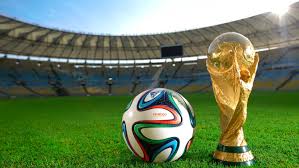
The Football World Cup and Social Awareness: A Global Festival of Humanity and Hope is more than a sporting spectacle. Every four years, the world pauses to watch nations compete; however, beyond goals and trophies, the Football World Cup and Social Awareness: A Global Festival of Humanity and Hope becomes a mirror reflecting humanity, unity, and shared emotions. In essence, it reminds people that despite borders, languages, and beliefs, humanity can stand together with hope and respect.
From crowded streets in small villages to giant screens in global cities, the Football World Cup and Social Awareness: A Global Festival of Humanity and Hope connects hearts. Moreover, it brings joy to the underprivileged, confidence to the youth, and powerful messages of equality and peace to society. Therefore, this global event naturally fits into conversations about social awareness and collective responsibility.
Football as a Universal Language:
At its core, football is understood without translation. In fact, the Football World Cup and Social Awareness: A Global Festival of Humanity and Hope proves that a single pass or a heartfelt celebration can express emotions better than words. When fans from different cultures cheer together, social barriers slowly dissolve; as a result, football becomes a universal language of empathy.
Moreover, the Football World Cup creates a deep sense of belonging. Often, people who feel ignored or marginalized find identity and pride through football. Consequently, the game nurtures emotional healing and social bonding on a massive scale.
One of the strongest messages, therefore, of the Football World Cup and Social Awareness: A Global Festival of Humanity and Hope is unity. During the tournament, political conflicts and social divisions are temporarily set aside; instead, the focus shifts toward teamwork, respect, and fair play.
Furthermore, the Football World Cup teaches society that diversity is strength. Although different nations bring different styles, they all follow the same rules. Thus, the tournament becomes a powerful lesson in peaceful coexistence and mutual respect.
Fighting Racism and Discrimination:
Undoubtedly, racism remains a serious social issue; however, the Football World Cup has repeatedly stood against it. Through visible actions such as players kneeling, wearing armbands, or speaking openly, powerful messages are sent to millions watching worldwide.
In addition, the Football World Cup clearly shows that talent has no color or nationality. When players from diverse backgrounds succeed, they not only inspire admiration but also encourage societies to challenge prejudice and actively promote equality.
Hope for the Youth and Mental Health and Emotional Healing:
For millions of young people, the Football World Cup represents dreams. Often, children playing barefoot in streets imagine themselves on the world stage; this very hope, in turn, motivates discipline, teamwork, and positive life choices.
Moreover, the Football World Cup actively encourages youth development programs. In difficult times, the Football World Cup provides much-needed emotional relief. Through celebrations, shared victories, and even defeats, people are allowed to express their feelings openly and without judgment.
Additionally, the Football World Cup encourages meaningful conversations about mental health among athletes and fans alike. When players openly speak about pressure and resilience, it gradually normalizes emotional struggles and promotes understanding.
Economic and Social Responsibility through Media Influence:
As these discussions grow, the Football World Cup increasingly pushes governments and organizations to adopt responsible practices that continue to benefit society long after the final match.
Meanwhile, media coverage further amplifies the impact of the Football World Cup Through stories of struggle, resilience, and triumph, messages reach billions, thereby shaping public opinion.
Football as Education how Inspiring Social Movements:
Beyond mere entertainment, the Football World Cup plays an important educational role in society. In doing so, it teaches values such as fairness, teamwork, and perseverance.
As these values gradually spread, the Football World Cup shapes socially aware citizens who increasingly understand cooperation over conflict.
Meanwhile, many social movements gain momentum during this time, campaigns related to inclusion, charity, and environmental protection receive global attention.
Thus, the Football World Cup ultimately acts as a catalyst for positive societal change.
FIFA: Uniting the World Through Football, Social Awareness, and Humanity:
FIFA, the Fédération Internationale de Football Association, is much more than the global governing body of football. Founded in 1904, it has gradually grown to oversee football competitions in every corner of the world. As a result, FIFA has played a pivotal role in uniting nations through sport, promoting fair play, and celebrating cultural diversity.
Moreover, FIFA organizes events like the World Cup, which not only entertain millions but also foster social awareness, inspire youth, and encourage community participation. In addition, FIFA continuously works to address challenges such as corruption, inequality, and accessibility, demonstrating a commitment to the sport and society.
Therefore, FIFA stands as a symbol of global unity, proving that football can transcend borders and bring people together. Ultimately, through its initiatives, FIFA inspires humanity, promotes inclusivity, and reminds the world that teamwork, passion, and respect are values worth celebrating everywhere.
The Kings of Football:
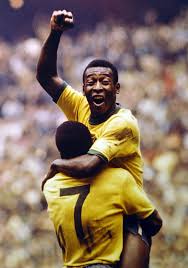
1. Pelé a football legend – Pelé is more than a football legend: Pele is a global ambassador for humanity and social change. Throughout his career, he inspired millions with his skill, humility, and dedication. Beyond football, Pelé promoted education, health, and children’s rights, using his fame to raise awareness about societal issues. As a result, he became a symbol of hope for underprivileged youth worldwide. Ultimately, Pelé demonstrates that true heroes are those who use their talent not only to win trophies but also to uplift communities and bring people together across cultures.
2. Lionel Messi – The Maestro with a Heart
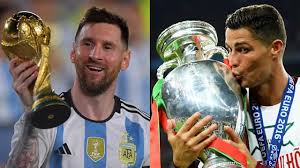
Lionel Messi’s brilliance on the field is matched by his commitment to social causes. Through the Leo Messi Foundation, he supports access to education and healthcare for children globally. Moreover, Messi inspires youth to pursue dreams while emphasizing discipline and teamwork. In addition, his humility and dedication demonstrate how talent can coexist with social responsibility. Therefore, Messi’s legacy extends beyond goals and titles; he encourages empathy, equality, and hope. Ultimately, Messi proves that football heroes can influence society positively, showing that compassion and excellence go hand in hand.
3. Cristiano Ronaldo – Champion of Humanity
Cristiano Ronaldo is celebrated not only for his athletic achievements but also for his philanthropy. Through numerous initiatives, he has contributed to hospitals, disaster relief, and children’s welfare programs worldwide. Furthermore, Ronaldo motivates millions of fans to embrace discipline, resilience, and charitable values. Consequently, his influence transcends football, shaping communities and inspiring social awareness. In essence, Ronaldo exemplifies how global sports figures can leverage fame for the greater good. Ultimately, his story teaches that dedication to one’s craft, combined with a sense of responsibility toward society, creates a hero both on and off the pitch.
India and the World Cup Dream:
In countries like India, Football is increasingly inspires a growing interest in football. As a result, youth participation rises, while simultaneously, conversations about sports infrastructure and equal opportunity gain strength.
Gradually, the Football encourages greater investment in grassroots development and social upliftment through sports, thereby creating long-term positive change.
Football and Unity/Football as a Teacher:
Football unites people across continents, languages, and cultures. Whether played on dusty streets or in grand stadiums, it bridges social gaps, creating shared experiences and mutual respect. Moreover, international tournaments inspire pride and community spirit, while grassroots programs empower youth from underprivileged backgrounds. Through teamwork, discipline, and perseverance, football teaches essential life skills. Ultimately, the sport is not just a game; it is a platform for social awareness, empathy, and hope, proving that collective passion can transform communities and build a world where equality, understanding, and humanity thrive.
Beyond goals and trophies, football is a teacher of life. Through every match, players and fans learn resilience, cooperation, and fair play. Furthermore, football encourages young people to chase dreams while respecting diversity and differences. Grassroots initiatives use the sport to address inequality, promote education, and inspire social responsibility. In addition, football’s global reach allows stories of courage and hope to spread worldwide. Therefore, the sport nurtures socially aware communities, proving that the values learned on the field—teamwork, empathy, and dedication—can extend beyond the game and positively influence society at large.
Message to Globally:
At its core, the Football sends a powerful message to the world about what it truly means to be human. In moments of victory and in times of defeat, emotions flow freely, reminding societies everywhere that vulnerability, resilience, and hope are shared human experiences beyond borders and identities.
More importantly, the Football calls upon society to nurture empathy and compassion. It stands not merely as a tournament, but as a global classroom—one that teaches unity over division, equality over prejudice, and responsibility over indifference. Through football, humanity moves to a shared rhythm, and through social awareness, hope gains purpose and direction.
Ultimately, the Football delivers a timeless lesson to the world: when people come together with respect, understanding, and empathy, meaningful and lasting positive change is not only possible—it is inevitable.
Outbound links:
1. FIFA Official Website (Global Authority)
- https://www.fifa.com/
- Great for linking to official World Cup info, initiatives, and social programs.
2. UN Sustainable Development Goals (SDGs)
- https://sdgs.un.org/goals
- Can connect football events to global goals like equality, health, and education.