

The Passion of the Christ cast and roles explained helps us better understand why The Passion of the Christ, one of the most successful religious films of 2004, not only achieved massive global success but also, more importantly, touched countless lives, inspiring a deeper sense of belief and faith. Over the years, the world of cinema has often explored themes of love, sacrifice, and redemption.
However, very few films have captured these themes as intensely and profoundly as The Passion of the Christ. In fact, directed by Mel Gibson, this 2004 film stands as one of the most powerful portrayals of the final hours of Jesus Christ. Moreover, it is not just a movie; rather, it is a deeply emotional experience that stirred audiences globally, sparked debates, and redefined religious storytelling in modern cinema. As a result, not only impact the audiences who watched the film, but the characters portrayed in it also inspired many people, transforming their outlook from atheism to a stronger sense of belief and religious faith.
Mel Gibsons Journey to Creating The Passion of the Christ:
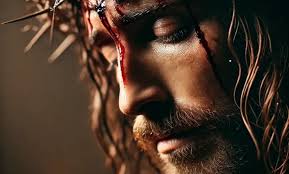
Before the movie, Mel Gibson had already established himself as one of Hollywood’s most influential actors and filmmakers. Initially, he was born in New York in 1956; however, he later moved to Australia, where his acting journey began. Soon after, Gibson rose to fame with the Mad Max series, which made him an international action star. Furthermore, his role in the Lethal Weapon films strengthened his reputation, thereby showcasing his versatility as both an action hero and a dramatic performer.
However, Gibson was not limited to acting alone. Instead, he gradually transitioned into directing and producing, thus proving his creative vision behind the camera. In fact, his breakthrough as a director came with Braveheart (1995), a historical epic that earned him Academy Awards for Best Director and Best Picture. As a result, this success established him as a serious filmmaker capable of handling large-scale, emotional stories.
Despite this success, Gibson remained deeply connected to his personal faith and values. Over time, he developed a strong desire to tell a story that reflected his spiritual beliefs. Therefore, this inner calling eventually led him toward the bold and challenging project.
Moreover, Gibson’s inspiration came from his own religious beliefs. Consequently, he wanted to present the suffering of Jesus Christ in its most raw and authentic form. Unlike traditional biblical films that often focused mainly on storytelling and dialogue, Gibson aimed to immerse viewers in the emotional and physical agony of Christ’s crucifixion, thereby creating a deeply powerful and unforgettable cinematic experience.
It was a Bold and Risky Decision for Mel Gibson:
Choosing to make The Passion of the Christ was not an easy decision; indeed, it was considered highly risky. To begin with, the film was made entirely in ancient languages such as Aramaic, Latin, and Hebrew, which, in turn, limited its mainstream appeal. Moreover, it depicted extreme violence and intense suffering, thereby making it emotionally challenging for audiences. In addition, the film focused on a deeply religious subject, which, as a result, often invites scrutiny, debate, and controversy. Furthermore, major studios were reluctant to fund the project, primarily because they doubted its commercial success. Therefore, the decision to proceed with the film required immense courage and strong belief in its message.

Nevertheless, Mel Gibson decided to finance the film himself. This bold move, in fact, demonstrated not only his commitment but also his deep belief in the story. Consequently, he invested millions of dollars, thereby risking his own wealth to bring his vision to life. Ultimately, this decision became one of the most defining moments of his career.
Authenticity, Cinematic Excellence, and Powerful Performances in The Passion of the Christ:
One of the most remarkable aspects of The Passion of the Christ is its strong commitment to authenticity. Moreover, this choice added a layer of realism rarely seen in mainstream cinema.
In addition, the use of lighting, slow motion, and close-up shots further enhances the emotional impact. Importantly, Gibson did not shy away from depicting the suffering of Jesus; instead, he presented it in a way that forces viewers to confront the reality of sacrifice.

Notably, the role of Jesus Christ was played by Jim Caviezel, whose performance was widely praised for its depth and sincerity. During filming, Caviezel underwent physical and emotional challenges, including injuries, hypothermia, and intense makeup sessions. As a result, his portrayal brought a human dimension to Jesus, making the suffering feel real and relatable. Finally, other supporting actors also contributed significantly, thereby creating a powerful ensemble that added authenticity to the narrative.
Roles Played by Actors in The Passion of the Christ:

Jim Caviezel as Jesus Christ – First and foremost, Jim Caviezel’s portrayal of Jesus Christ stands at the very heart of the film. Indeed, his performance is widely regarded as one of the most intense and authentic depictions of Jesus in cinematic history. Not only did he capture the physical suffering of Christ, but he also conveyed deep spiritual strength and compassion.
Moreover, Caviezel endured extreme physical challenges during filming, which, in turn, added realism to his role. Furthermore, through subtle expressions, silence, and body language, he effectively communicated pain, forgiveness, and unconditional love. As a result, audiences felt deeply emotionally connected to the character, thereby making his performance truly unforgettable.

Maia Morgenstern as Mary – Equally powerful is Maia Morgenstern’s portrayal of Mary, the mother of Jesus. She brought grace, dignity, and emotional intensity to the role. Her performance beautifully captured the sorrow of a mother witnessing her son’s suffering.In addition, Morgenstern used minimal dialogue but expressed deep emotions through her eyes and expressions. Her presence added a strong emotional layer to the film. Consequently, viewers could feel her pain, love, and unwavering faith, making her role deeply relatable and impactful.
Monica Bellucci as Mary Magdalene – Similarly, Monica Bellucci’s role as Mary Magdalene adds another meaningful dimension to the narrative. In fact, she represents redemption and devotion, thereby showing how faith can transform a person’s life.
As a result, she became a symbol of loyalty and compassion. Moreover, her reactions to Jesus’ suffering allowed the audience to connect more deeply with the events unfolding on screen.

Hristo Shopov as Pontius Pilate – On the other hand, Hristo Shopov’s portrayal of Pontius Pilate presents a complex and conflicted character. Notably, he is not shown as purely evil; instead, he is depicted as a leader struggling between justice and political pressure.
Interestingly, Shopov brought a human touch to the role by highlighting Pilate’s hesitation and moral dilemma. In doing so, he portrayed a man caught in circumstances beyond his control.
Rosalinda Celentano as Satan – Another standout performance, indeed, comes from Rosalinda Celentano as Satan. Notably, her portrayal is unique and haunting, offering a psychological representation of evil rather than a traditional one.
Instead of using loud or aggressive expressions, she relied on silence, eerie calmness, and intense gazes. Consequently, her presence created an unsettling atmosphere throughout the film. Moreover, her role symbolized temptation and inner conflict, thereby adding a deeper spiritual meaning to the narrative.
Sergio Rubini as Dismas – Finally, Sergio Rubini’s role as Dismas, the repentant thief, may be brief; however, it is incredibly meaningful. In fact, he represents hope and redemption, even in the final moments of life.
Through his performance, Rubini conveyed regret, humility, and faith, while his interaction with Jesus highlights the theme of forgiveness. Therefore, his character reminds viewers that no one is beyond redemption. Moreover, despite limited screen time, his role leaves a lasting emotional impact, thereby strengthening the film’s overall message.
Despite controversy and criticism, the film achieved remarkable global impact and outstanding box office success:
While The Passion of the Christ was praised by many, it also faced significant criticism. Nevertheless, despite these concerns, many religious communities embraced the film as a powerful and authentic expression of faith.

Despite the controversies, The Passion of the Christ became a massive success worldwide. Moreover, it attracted audiences from different cultures and religions, thereby proving its universal appeal. Consequently, the film’s success demonstrated that there is a strong demand for meaningful and spiritually driven content. More importantly, it showed that independent filmmaking driven by passion rather than commercial interests can achieve extraordinary results.
One of the most significant aspects of The Passion of the Christ is its powerful emotional impact. In fact, viewers often described the film as deeply moving, spiritually awakening, and emotionally overwhelming. As a result, many people reported experiencing a renewed sense of faith after watching it. Moreover, churches organized group screenings, and consequently, discussions about spirituality increased among audiences. Furthermore, the film encouraged viewers to reflect on important themes such as sacrifice, forgiveness, love, and redemption. Therefore, in a world often filled with distractions, the movie served as a meaningful reminder of deeper human values and spiritual reflection.
Mel Gibson’s Directorial Style:
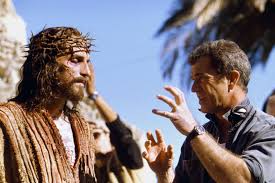
It’s direction played a crucial role in the success of The Passion of the Christ. Rather than relying heavily on dialogue, he used visual storytelling, where the emotions of the characters, combined with powerful imagery, effectively conveyed the narrative. Moreover, silence was used strategically throughout the film; in fact, in many scenes, the absence of dialogue heightened the intensity, allowing viewers to connect more deeply with the characters
Furthermore, the film is rich in symbolism, drawing from biblical texts and traditional interpretations, which in turn adds layers of meaning and makes it suitable for both casual viewers and those seeking deeper understanding. Beyond cinema, the film also had a significant cultural impact. For instance, it paved the way for other faith-based movies, demonstrating that such films could achieve both critical and commercial success. In addition, it sparked global conversations about religion and spirituality, bringing people from different backgrounds together to discuss belief, morality, and the meaning of sacrifice. Consequently, the film contributed to social awareness by highlighting values such as compassion and empathy, thereby encouraging individuals to look beyond materialism and focus on humanity.
Personal Commitment of Mel Gibson:
What makes this film truly remarkable is Mel Gibson’s personal involvement.
He did not approach the project merely as a filmmaker but as someone deeply connected to the story. His willingness to take risks, face criticism, and invest his own resources highlights his dedication.
This level of commitment is rare in the film industry and serves as an inspiration for aspiring filmmakers.
There have been discussions about a sequel focusing on the resurrection of Jesus. This indicates the enduring interest in the story and Gibson’s vision.
The Lasting Legacy and Global Impact of The Passion of the Christ:
The journey of Mel Gibson in creating the movie is, indeed, a story of passion, courage, and unwavering belief. Moreover, the film stands as a testament to the power of cinema to go beyond entertainment and truly touch the human soul. Despite numerous controversies and challenges, the movie achieved remarkable success and, as a result, left a lasting impact on audiences worldwide. Furthermore, it opened doors for meaningful storytelling and encouraged deeper conversations about faith and humanity.
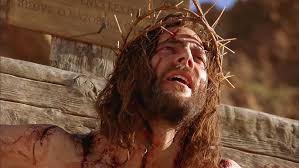
In today’s fast-paced world, where content is often consumed quickly and forgotten, it remains unforgettable; in fact, it continues to inspire, challenge, and move people thereby proving that stories rooted in truth and emotion can transcend time.
Additionally, it continues to be shown during religious occasions such as Easter, which further highlights its enduring relevance. Ultimately, Gibson’s work reminds us that when art is created with sincerity and purpose, it has the power to change hearts, minds, and even society itself. Therefore, this article explores his journey, the challenges he faced, as well as the film’s impact and its lasting significance in both cinema and society.